Growing More Than Beans: How Technical Assistance Is Powering Agricultural Growth in Copán, Honduras
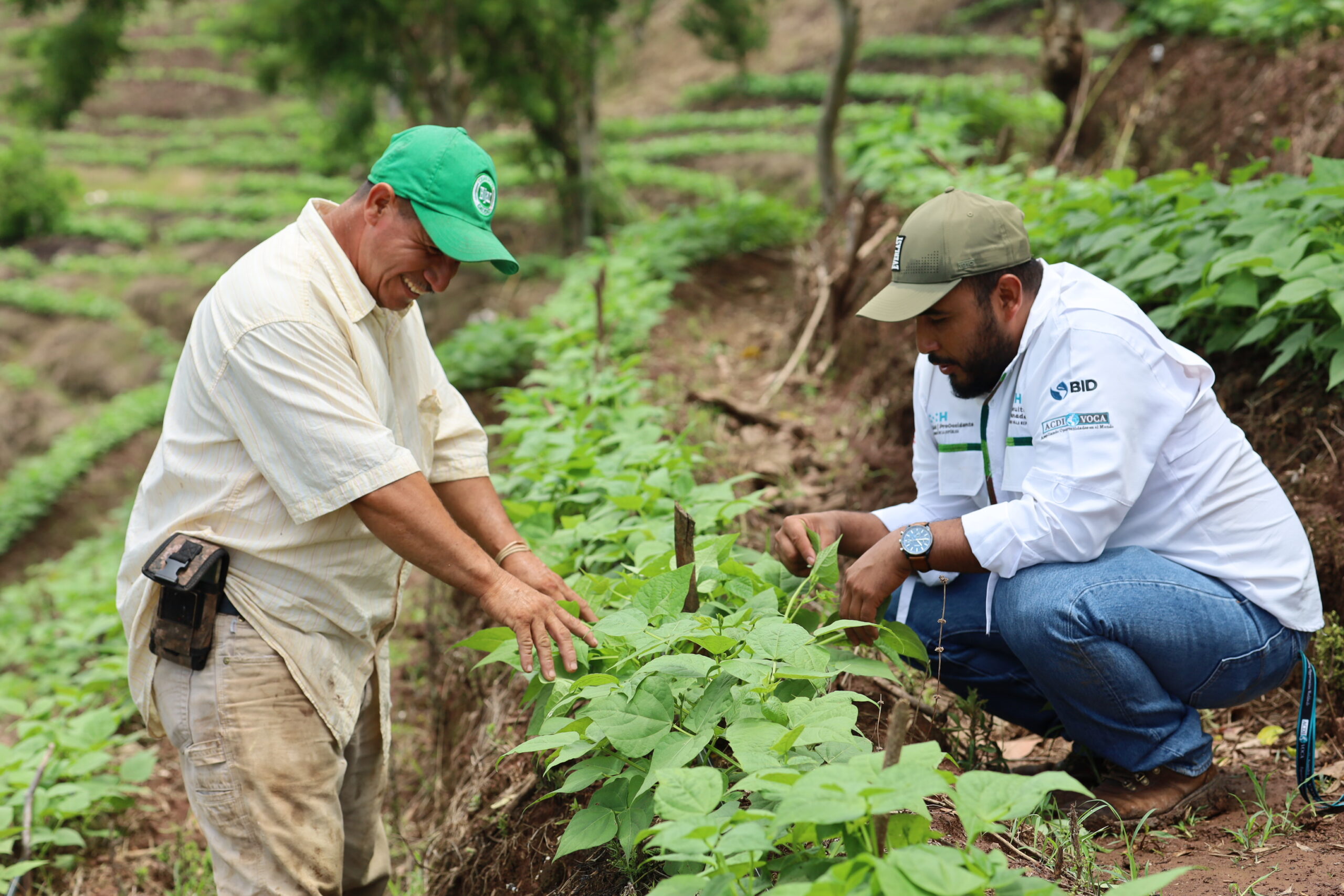
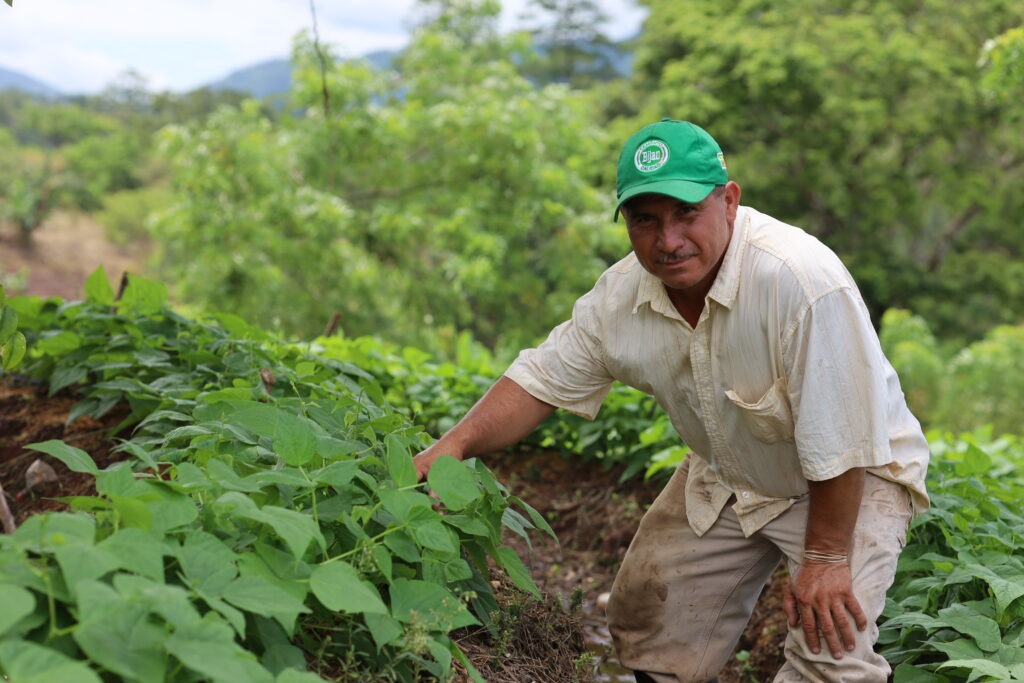
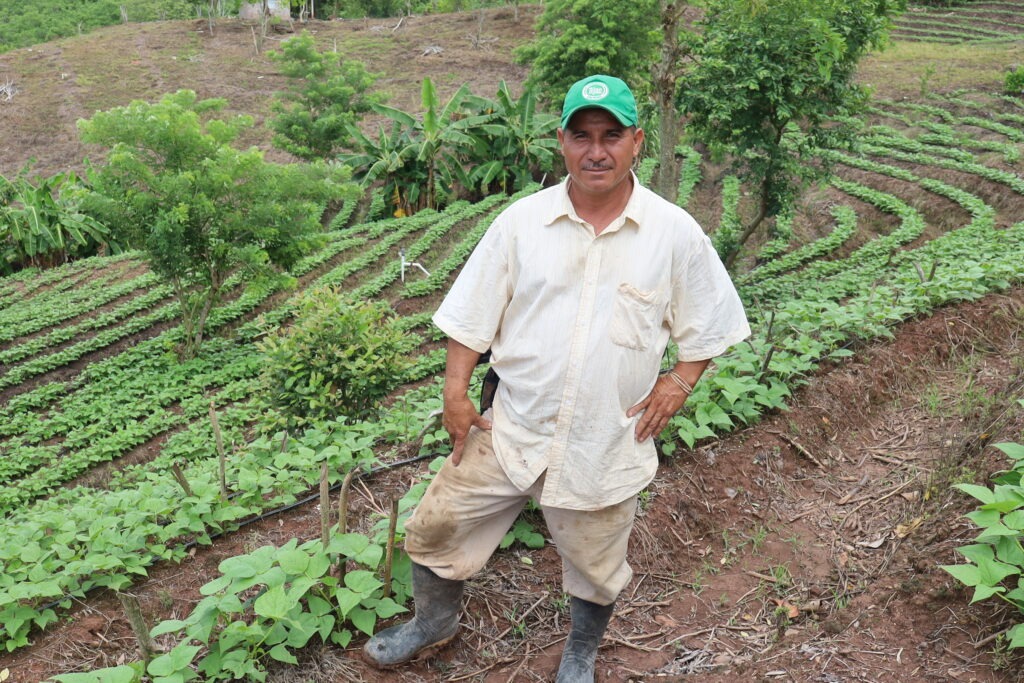
In the community of El Limón, Santa Rita, Copán, in western Honduras, José Manuel Raimundo cultivates much more than beans; he cultivates knowledge, commitment, and sustainability. As a member of El Limón Agricultural and Livestock Producers Association, he has been an active participant in the transformation of local farming practices driven by the Integrated Rural Development and Productivity Project (SAG-ProOccidente).
The project, implemented by ACDI/VOCA, is a five-year initiative led by Honduras’s Secretariat of Agriculture and Livestock (SAG) and funded by the Inter-American Development Bank (IDB) and the Spanish Agency for International Development Cooperation (AECID).
From traditional farming to climate-smart production
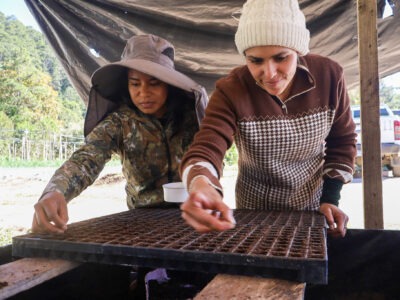
Through continuous technical assistance and a strong on-the-ground presence, SAG-ProOccidente has helped build the skills and confidence of farmers like Raimundo. With direct, hands-on guidance, he has perfected improved agricultural practices, such laying and maintaining contour lines, managing soil pests and diseases, and using water efficiently through irrigation.
Adopting climate-smart technologies marked a turning point in his production.
“Before, without irrigation, we depended solely on rainfall,” Raimundo said. “Now, with the system, we can irrigate when we want, and the yield improves.”
The results are evident. Raimundo has boosted his bean yields by up to 80 percent, increasing production from 300 to more than 600 pounds per half manzana (approximately 1.7 acres). Buyers now recognize the superior size, color, and quality of his beans, allowing him to sell at a better price in markets such as Copán, often ahead of his competitors.
Sustainability rooted in daily practice
Beyond boosting production, SAG‑ProOccidente also strengthened farmers’ environmental stewardship. Raimundo has embraced these practices with discipline and pride. He now collects and reuses drip irrigation tape, recycles plastics, and avoids burning waste.
“I know this plot gets a lot of visitors, and I wouldn’t want them to come and see that damage,” Raimundo said.
He also incorporates sawdust and other woodworking waste into the soil to retain moisture and build organic matter. These actions, though small, reflect a deep commitment to sustainability and environmental stewardship.
Spreading knowledge to the community
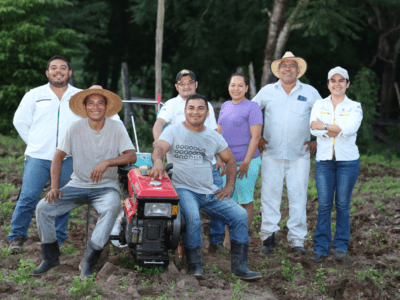
As part of an organized producer group, Raimundo also contributes to broader community initiatives strengthened by the project. El Limón Agricultural and Livestock Producers Association has benefited from an investment of L1,282,716.92, with 40.75% contributed by SAGProOccidente. So far, the group has improved 12.4 hectares with modern technologies, such as drip irrigation and shade houses, generating 14 direct jobs and more than 1,000 workdays.
Raimundo’s experience shows how trust-based, hands-on support, combined with knowledge transfer and continuous monitoring, can create meaningful, lasting change in rural communities. José Manuel Raimundo is more than a farmer: he is a soil architect, an environmental advocate, and an example of how experience and determination can build more productive, cleaner, and sustainable agricultural future for western Honduras.
About SAG-ProOccidente
SAG-ProOccidente works with multiple partners, including local producers, the private sector, indigenous organizations, and small and medium enterprises, to build sustainable economic and climate resilience and reduce migration out of the country, promoting self-reliance through local ownership.
SAG-ProOccidente provides technical assistance and training to more than 10,000 agriculture and livestock producers across six departments and 88 municipalities by helping them adopt new climate-smart technologies and practices and improving their access to finance.
Activities take place in the western departments of Santa Bárbara, Copán, Ocotepeque, Intibucá, Lempira, and La Paz, focusing on horticulture, fruit, coffee, cacao, dairy cattle, and those related to cultural products of ethnic origin.
On the hillsides of Lepaterique Norte, in the municipality of La Esperanza, in the department of Intibucá, 10 young people, including five women and five …