Our 60-year legacy of providing global development solutions has positioned us to take on today’s most pressing challenges. We remain committed to fostering thriving economies, fair societies, resilient communities, and sustainable food systems. We believe that when people around the world can achieve better lives for themselves, their families, and their communities, we all benefit.
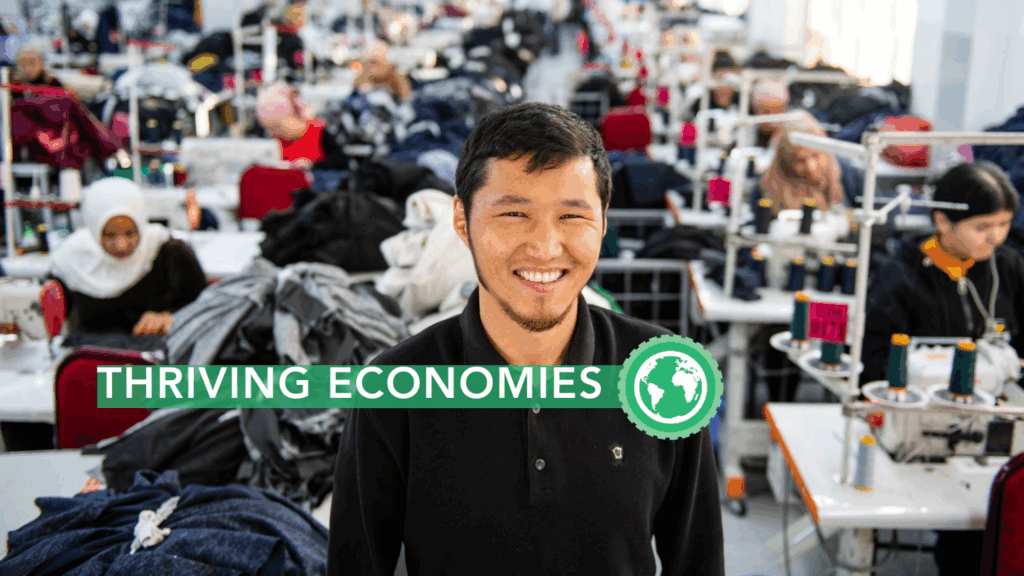
We connect people with businesses to create jobs and strengthen economic market systems.
Our Approach
We operate in the areas of
- inclusive growth
- innovation
- private-sector engagement
- job creation
- trade-based development
- systems change
- blue economies
- community-led climate action
- enterprise development
- impact investing
- blended finance models
Experience has revealed that one of the root causes of poverty is unemployment and underemployment in many parts of the globe. We aim to build thriving economies through job creation and strengthening the market system in which we are targeting. We apply a systems thinking lens to our work to analyze the current system stakeholders, power dynamics, formal and informal rules, and various other factors. Our analysis directly informs the strategies and interventions we implement, with an overall goal of making market systems more competitive, resilient, and inclusive.
We apply the following ACDI/VOCA Signature Tools to promote thriving economies:
- Systems Change Strategy and Assessment Guide
- Thinking & Working Politically in Systems Development Toolkit
- Private Sector Engagement Toolkit
- End Market Analysis Toolkit
- Systems Diagnostic
- Sell More For More
- M4: Membership, Marketing, Money, Management
Stories of Thriving Economies
Creating Jobs in Honduras to Curb Migration
From 2018 to 2025, the USAID Transforming Market Systems Activity worked to address the underlying causes of irregular migration in Honduras. By facilitating systemic changes in the economy, the program helped create new jobs and opportunities for local communities.

Partnering with the Private Sector to Digitize Farming Services in Kenya
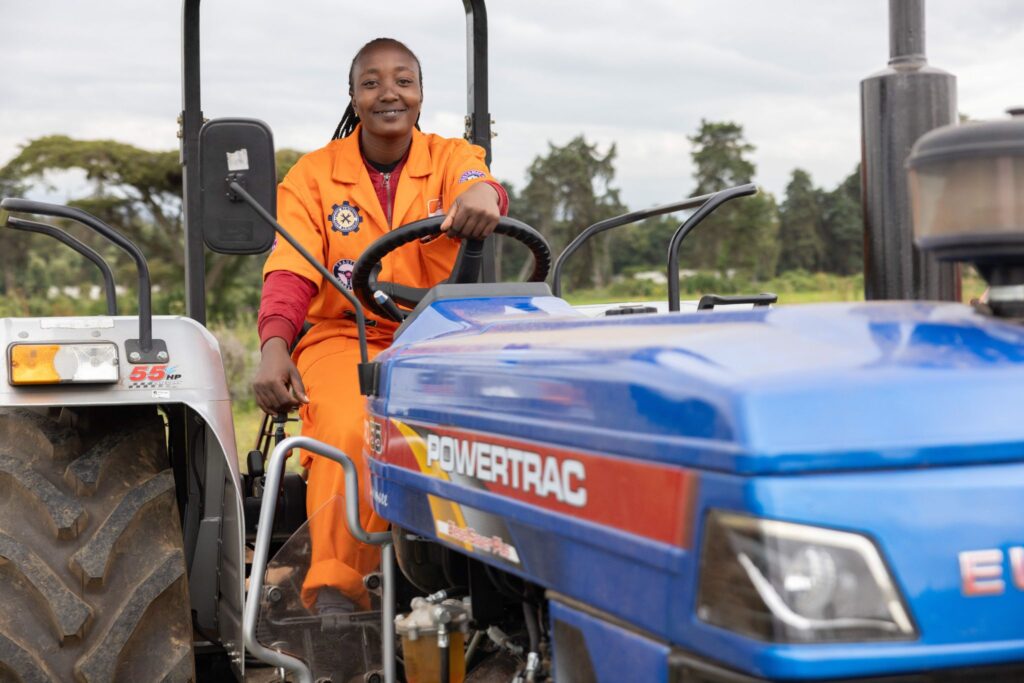
“By digitizing small farmers who are looking to grow commercially, we are setting the foundation for a more prosperous and inclusive agricultural economy.” — Jehiel Oliver, CEO of Hello Tractor (Read more)
Coping with Disruptions to Agriculture in Myanmar
Myanmar faces many challenges, including ethnic tensions, poor infrastructure investments, volatile market conditions, and the effects of a military coup. These issues have disrupted the agricultural sector, affecting farmers and food availability. From 2019 to 2025, the Feed the Future Burma Agriculture and Food Systems Development Activity adapted to a rapidly changing environment to support rural communities.

Explore more stories of thriving economies:
- Systems Change: Sustained Impact in Ghana, Zambia, and Tanzania
- An office artifact inspires a long view on foreign assistance
- A tale of tree transformation in Tajikistan
- Engaging the Private Sector Series: Q&A with director of biogas startup ATEC on supporting Bangladeshi farmers
- Transforming the coffee sector in the Philippines
- Financial support for solar solutions in Serbia
- Video: Transforming the livestock market in Northern Kenya
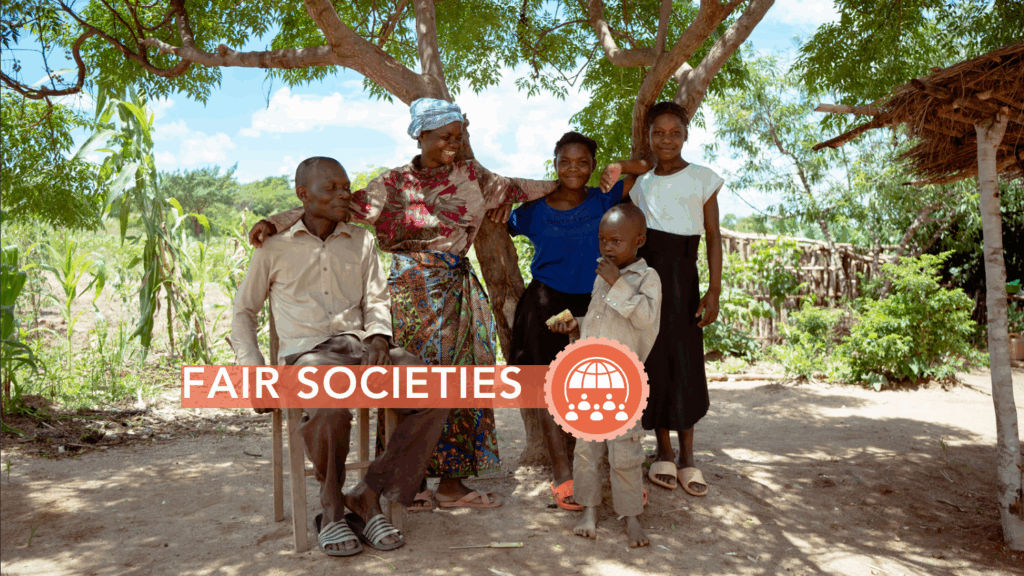
We support social systems that engage, benefit, and empower all members: women and men, youth and adults, and rural as well as urban families.
Our Approach
We operate in the areas of
- social impact and enterprise
- peace and reconciliation
- humanitarian protection and empowerment
- positive youth development
- gender-sensitive approaches
- support of women, children, and families
We apply the following ACDI/VOCA Signature Tools to foster fair societies:
- Thinking & Working Politically in Systems Development Toolkit
- DecidoSer: Programa para el cambio social
- GenderFirst
Stories of Fair Societies
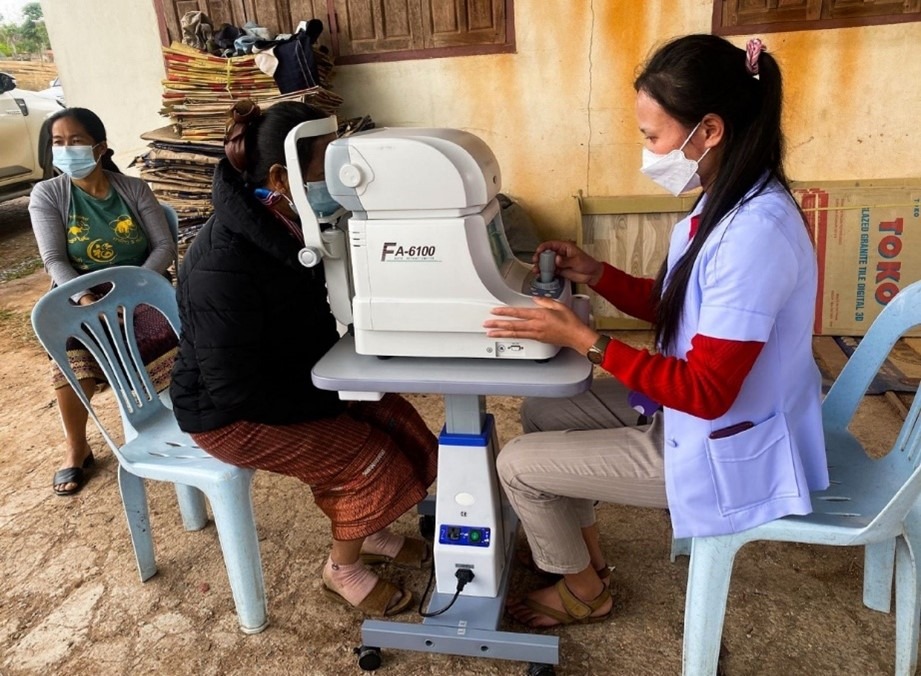
Eyewear for Women in Laos Boosts Family Incomes
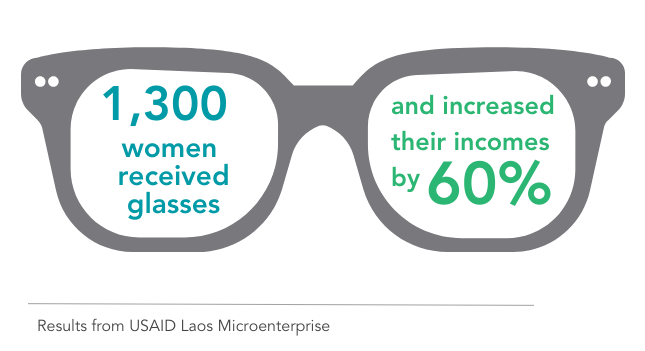
In rural Laos, a simple yet powerful intervention—providing corrective eyeglasses to women weavers—has improved livelihoods and family wellbeing. Many women rely on weaving intricate patterns to earn an income, but age and environmental factors often impair their vision, reducing productivity and earnings. Through USAID Laos Microenterprise, a group of women received eye exams and glasses, enabling them to work longer hours, produce higher-quality goods, and increase their incomes. Many applied their extra earnings to support household needs and children’s education. (Read more)
How Women Are Transforming Livestock Services in Rural Bangladesh
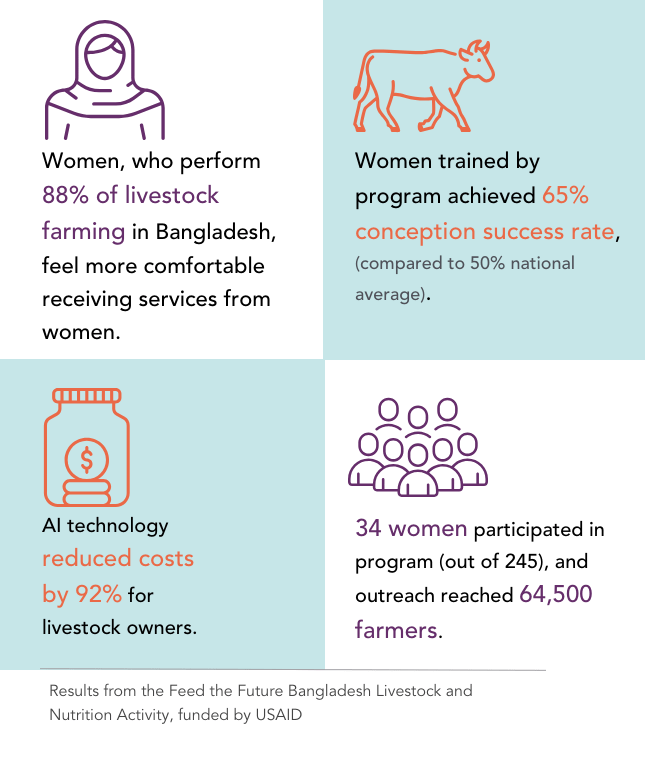
A groundbreaking training initiative is helping women become artificial insemination (AI) service providers to livestock farmers in rural Bangladesh. Through the Feed the Future Bangladesh Livestock and Nutrition Activity and BRAC’s training program, a group of women gained resources and mobility solutions—like microloans and motorcycle training—to overcome social norms that restrict their access to income-generating opportunities. As women gain confidence, independence, and higher earnings, they reinvest in their families, especially in their children’s education, creating ripple effects of economic resilience. (Read more)

Explore more stories of fair societies:
- Temporary jobs for Honduran Agricultural workers in Spain help curb illegal migration
- Video: Plan T, the social transformation initiative empowering Colombian youth
- Video: Meet the Filipina farmers leading the coffee sector
We help communities build resilience to conflict, extreme weather, and other shocks and stresses.
Our Approach
We operate in the areas of
- climate adaptation
- disaster risk reduction
- capacity building
- governance
- strengthening of local institutions
- community-led development
- self-reliance
We apply the following ACDI/VOCA Signature Tools to support resilient communities:
- CLA Playbook
- DecidoSer: Programa para el cambio social
- GenderFirst
Stories of Resilient Communities
Overcoming COVID-19-Related Economic Challenges in Honduras
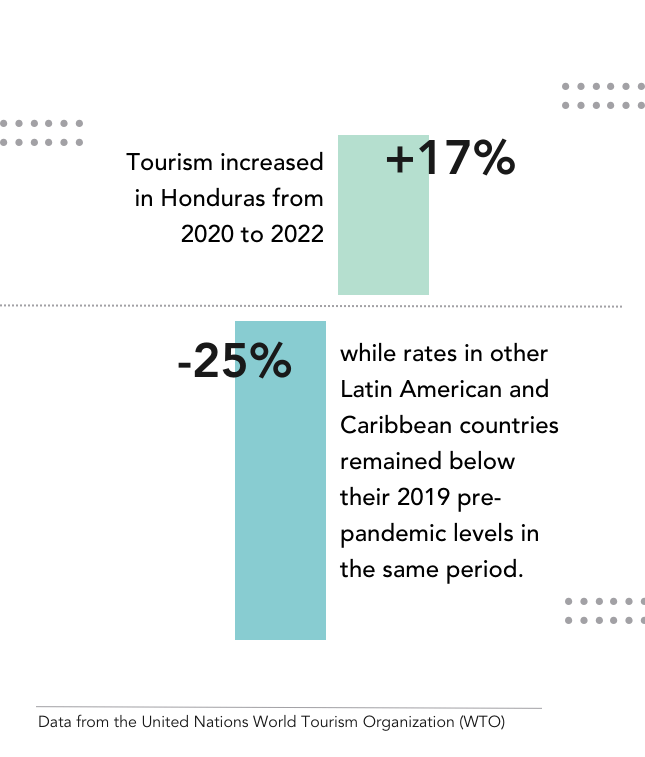
In Honduras, the USAID Transforming Market Systems Activity worked to generate formal, higher-paying jobs in the tourism sector to benefit Hondurans and curb migration out of the country. When the economic slowdown of the COVID-19 pandemic took effect, the program had already developed deeps roots and saw tourism grow beyond pre-pandemic levels compared to similar tourism destinations in Latin America and the Caribbean.
Coping with Drought in Ethiopia
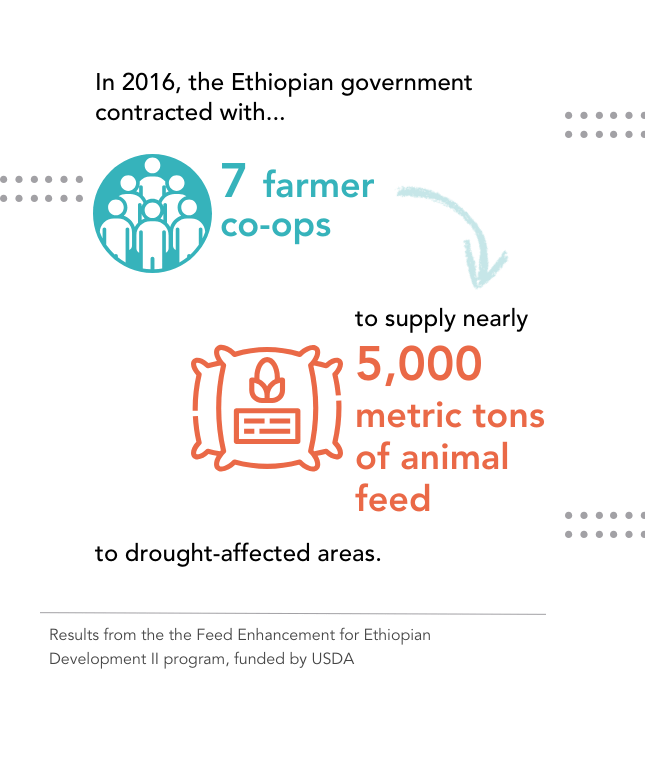
In Ethiopia, from 2013 to 2019, the Feed Enhancement for Ethiopian Development II program, funded by the U.S. Department of Agriculture, played a crucial role in transforming Ethiopia’s livestock sector, especially its animal feed production. This improved the country’s resilience and food security, even in the face of extreme weather. Farmer cooperatives supported by the program continued to do business long after the program ended.
Explore more stories of resilient communities:
- A foundation for lasting resilience in Burkina Faso
- Honduras International Tourism Arrivals Report
- Resilience in Action: Empowering livelihoods and social networks in Honduras and Burkina Faso
- Seven years of transforming Northern Kenya’s livestock value chain
- Adaptive partnerships in Mozambique
- Bubisa water project in Northern Kenya transforms lives one drop at a time
We enhance food security among poor and vulnerable populations.

Our Approach
We operate in the areas of
- a systems-led approach
- inclusive value chains
- climate-smart agriculture
- green energy
- digitalization
- supply chain development
- food security
- nutrition
We apply the following ACDI/VOCA Signature Tools to promote sustainable food systems:
- Systems Change Strategy and Assessment Guide
- Thinking & Working Politically in Systems Development Toolkit
- Private Sector Engagement Toolkit
- End Market Analysis Toolkit
- CLA Playbook
- Systems Diagnostic
- Sell More For More
- M4: Membership, Marketing, Money, Management
Stories of Sustainable Food Systems
Boosting Crop Yields to Improve Food Security
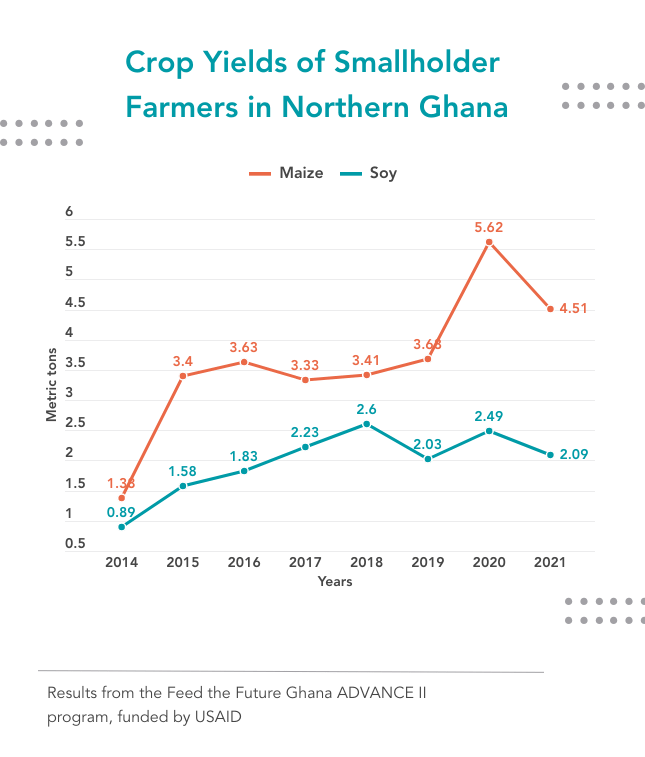
In Ghana and Ethiopia, we partnered with U.S. companies like John Deere and Corteva to promote mechanized farm equipment and improved seeds to farmers in rural areas of the countries who lack access to such technology. This led to significant improvements in crop yields, especially maize and soy in northern Ghana thanks to the support of the Feed the Future Agricultural Development and Value Chain Enhancement II program.
Explore more stories of sustainable food systems:
- Strengthening local food systems, one harvest at a time in Mozambique
- Creating a vibrant horticulture sector in Tanzania
- Enhancing food safety practices in the Upper West Region of Ghana: Healthier markets lead to healthier lives
- Money from Manure: Five ways Tajikistan’s first biodigesters benefit people
- Farming cooperative in Philippines reenergizes solar-powered rice mill
- Meeting the Increased demand for fish in Northern Kenya
- Food Systems Series: Transforming food systems for nutrition
- Shubh Mint: Improving farmer profitability in natural mint with Mars Wrigley
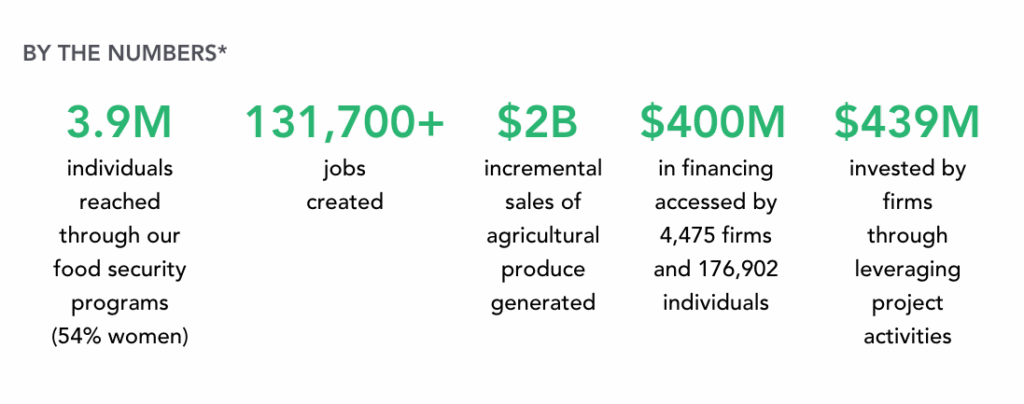
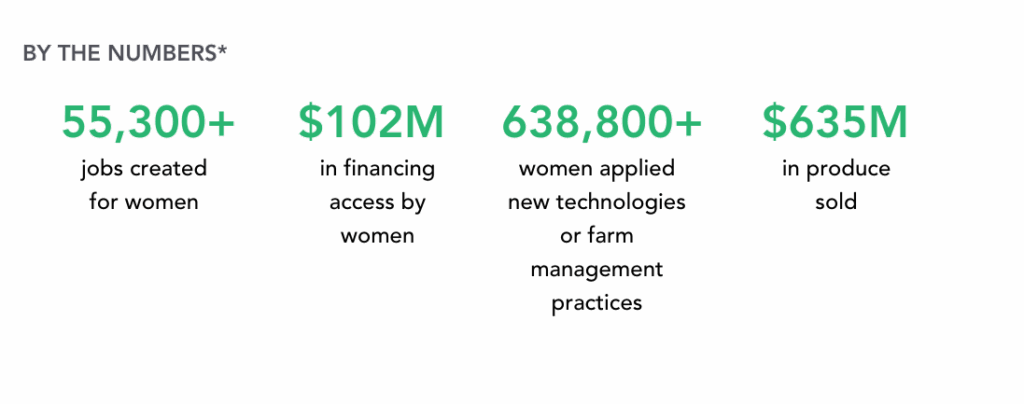
*This data illustrates cumulative impact from 22 of our projects that either closed in the past five years (2020 and onward) or are at least in their third year of implementation.