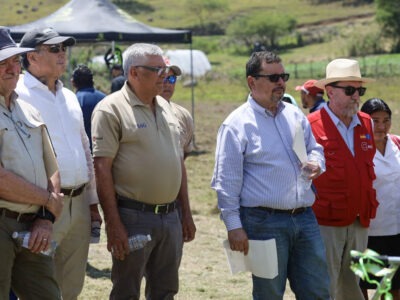
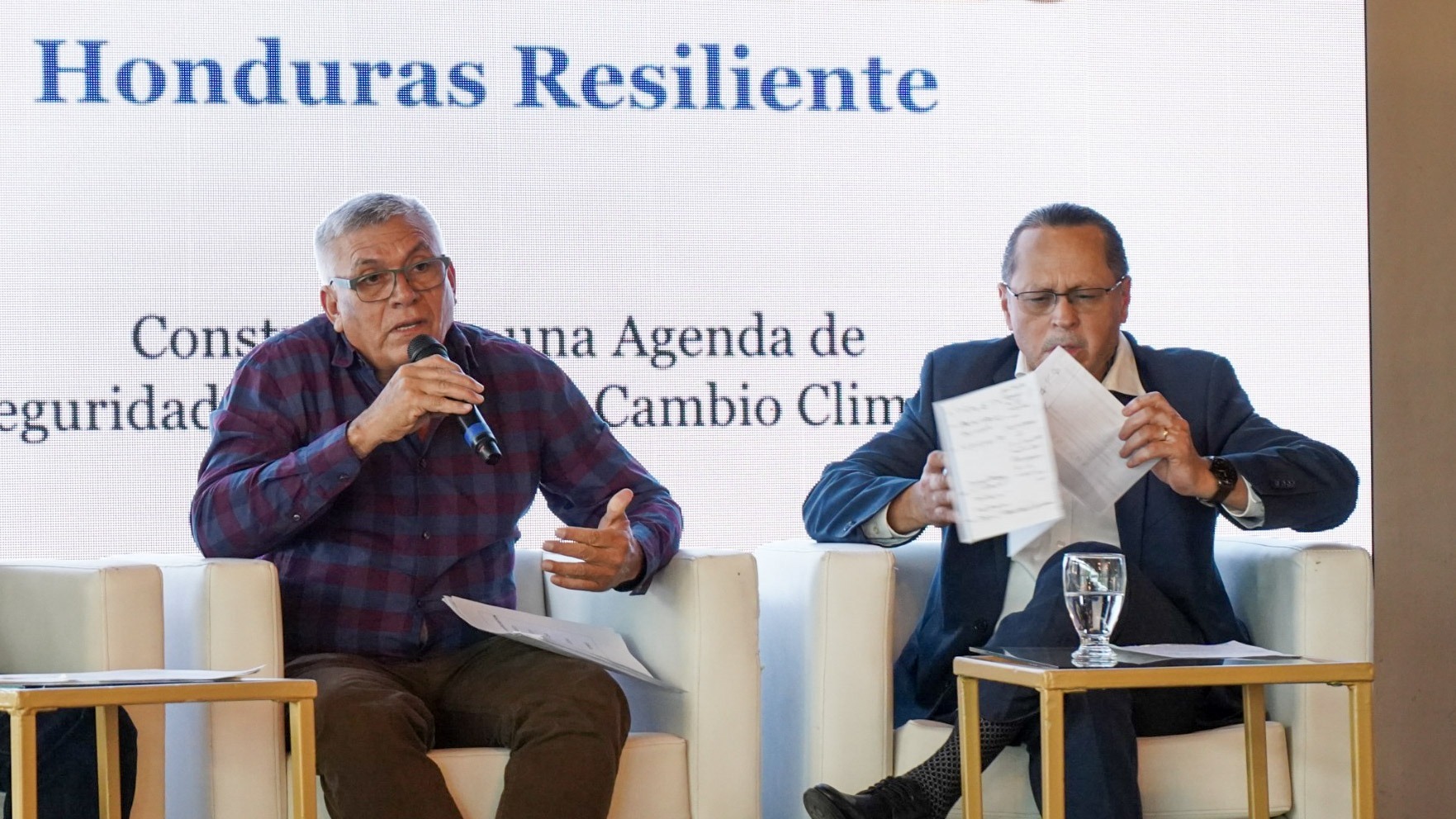
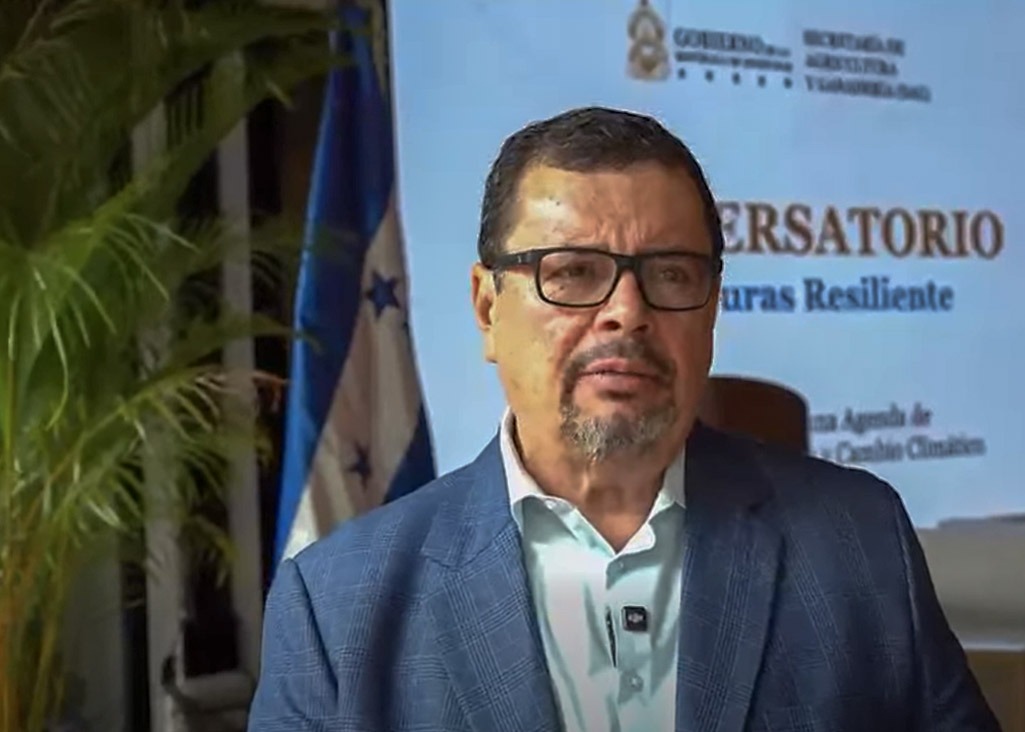
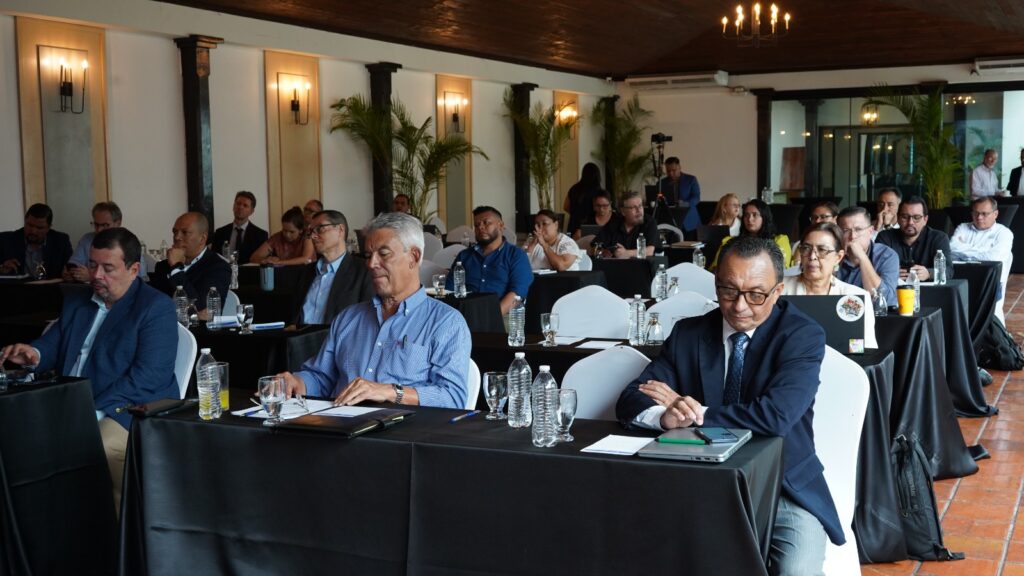
On June 4, in Tegucigalpa, Honduras, the Ministry of Agriculture and Livestock (Secretaría de Agricultura y Ganadería – SAG) and ACDI/VOCA participated in the forum “Resilient Honduras: Building a Food Security and Climate Change Agenda.” The dialogue brought together representatives from the public and private sectors and civil society, including the Government of Honduras, international agencies, development nonprofits, and academia, to analyze the challenges facing the nation and, ultimately, build a national agenda on strengthening the resilience of rural families.
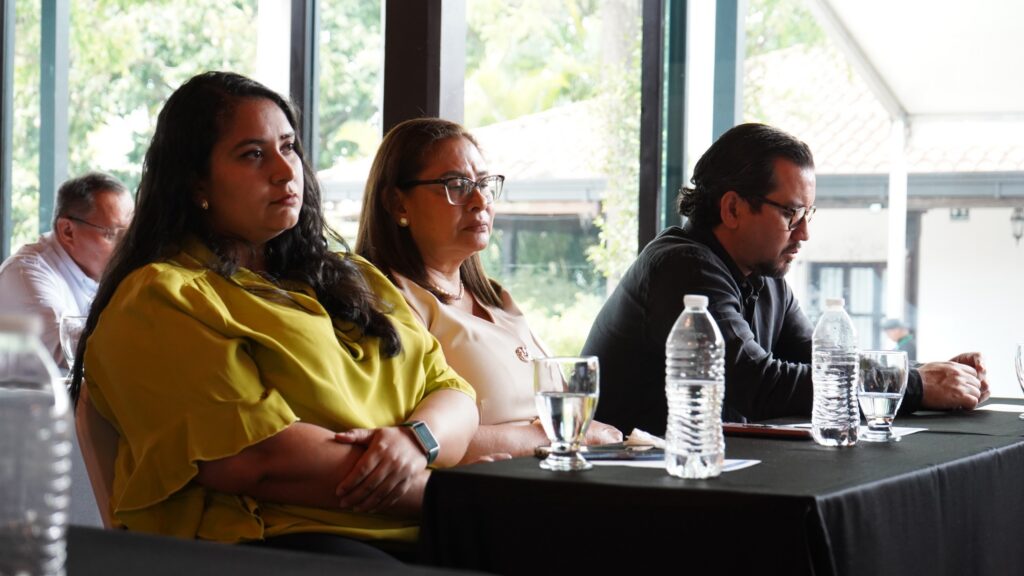
During the event, ACDI/VOCA’s technical team participated in a panel on “Seeking Proven, Comprehensive Solutions to Address Food Insecurity and Climate Change.” The team shared experiences and results from the Integrated Rural Development and Productivity Project (SAG-ProOccidente). The project is implemented in partnership with SAG and funded by the Inter-American Development Bank (IDB).
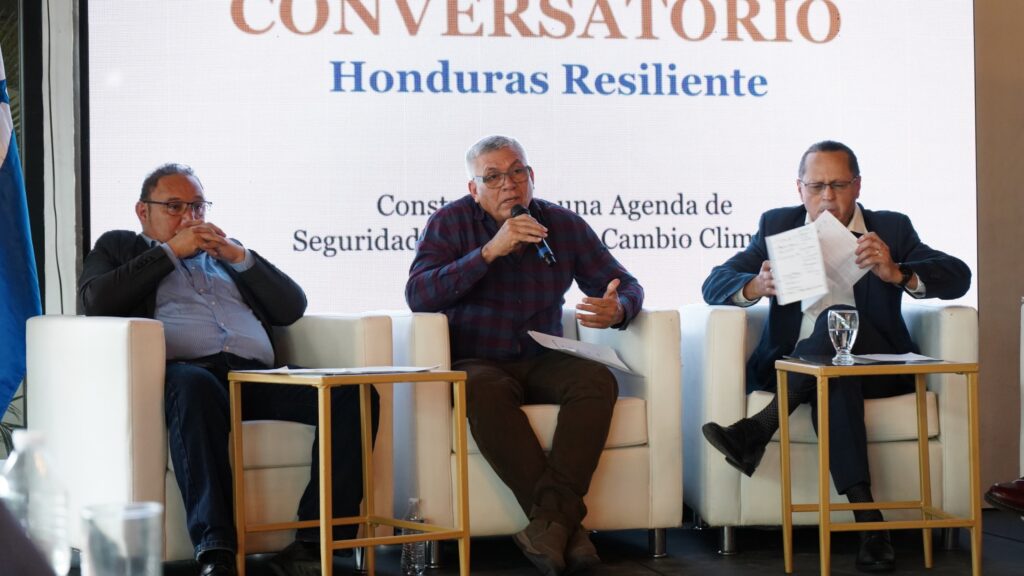
Specialist Ali Valdivia led the presentation, while Country Director Eduardo Chirinos moderated the panel. Together, they presented the project’s holistic approach of helping agricultural producers adopt climate-smart technologies, build their capacity for crop production, access financing, connect with markets, manage natural resources sustainably, and improve community nutrition. This approach aims to enhance the economic, environmental, and social resilience of rural families.
Panelists highlighted that the fight against hunger and climate change in Honduras requires interventions that go beyond merely increasing crop production. The most effective solutions are those that simultaneously strengthen productivity, access to water, nutrition, household income, and economic opportunities for women and youth.
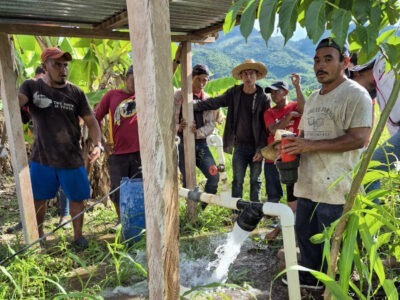
ACDI/VOCA’s team shared one results of the SAG-ProOccidente Project that had a major impact: providing technical support to more than 5,000 agricultural producers and rural enterprises. Through that support, the project empowered producers to access climate-resilient technologies, secure loans, boost their yields, and strengthen their links to the market. This made families more financially secure and resilient in the face of weather phenomena, like El Niño and La Niña, and other stresses.
The panel also noted the importance of integrating agricultural production with practices that promote more diverse and healthy diets, particularly in areas with high levels of food insecurity. Strengthening local food systems, diversifying production, and educating families on nutrition were all identified as essential components for building more resilient communities.
Panelists agreed that Honduras had already seen real results in productivity, water management, climate resilience, and food security. The challenge now lies in strengthening coordination among local governments, public and private institutions, and others to expand the impact to benefit more families.
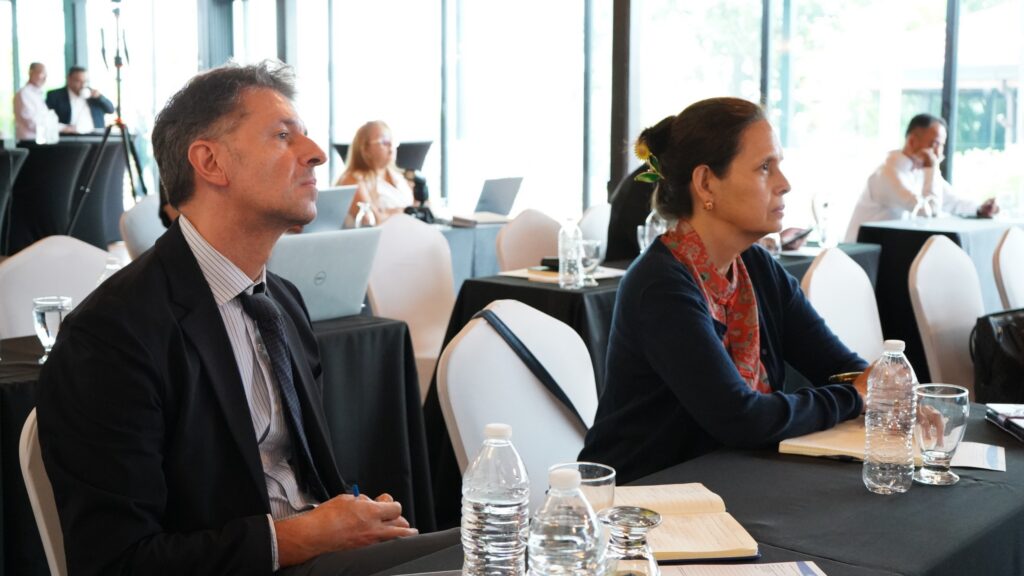
ACDI/VOCA remains committed to its work with SAG and other partners to advance inclusive, climate-resilient rural development in Honduras. Our team, along with other participants, shared insights and identified key actions centered on improving technical assistance, agricultural technologies, market access, value addition, and water management. These insights will guide investment and resource mobilization to scale proven solutions aligned with national priorities.
Dialogues like “Resilient Honduras” allow new strategies to be born and trust to build among governments and private sector stakeholders. The dialogue is a first step toward developing future projects that address strategic areas and channel resources toward the country’s sustainable development.
Watch the full “Resilient Honduras” forum.
Learn more about the SAG-ProOccidente Project.