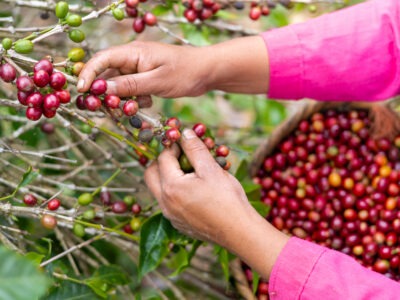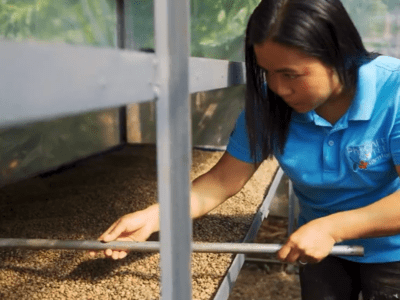
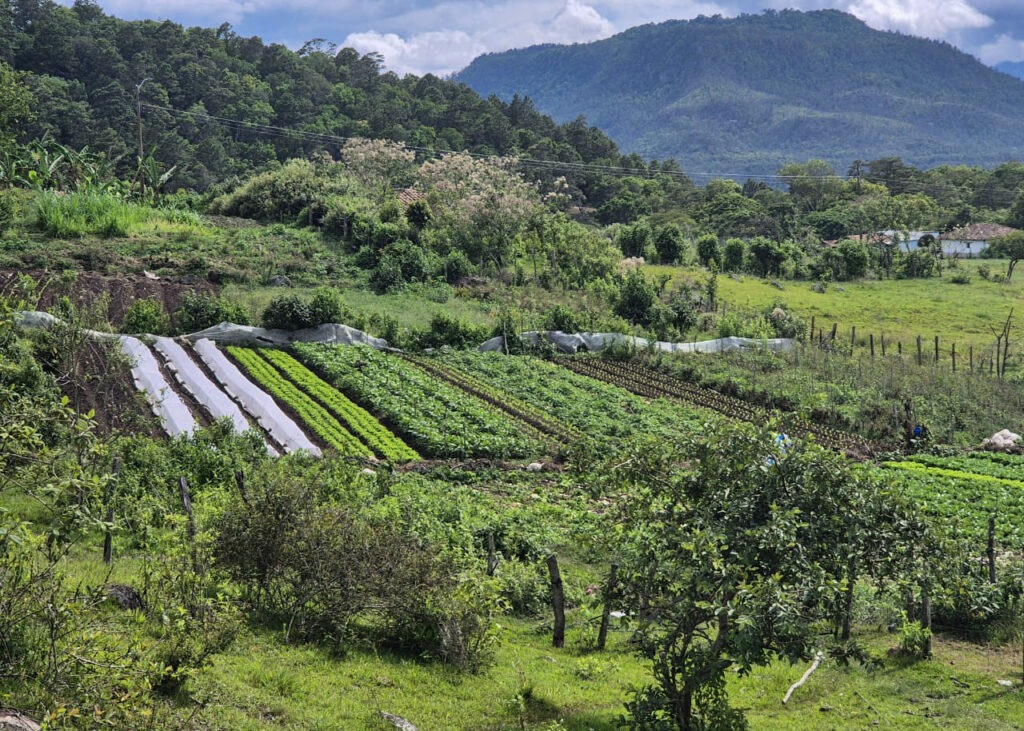
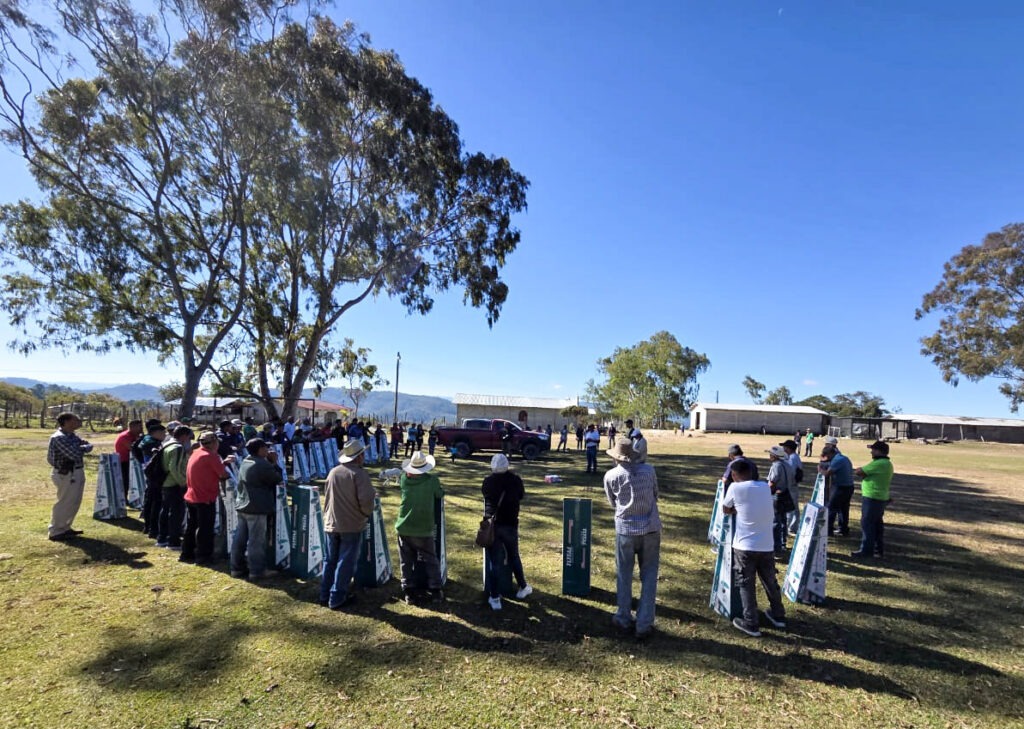
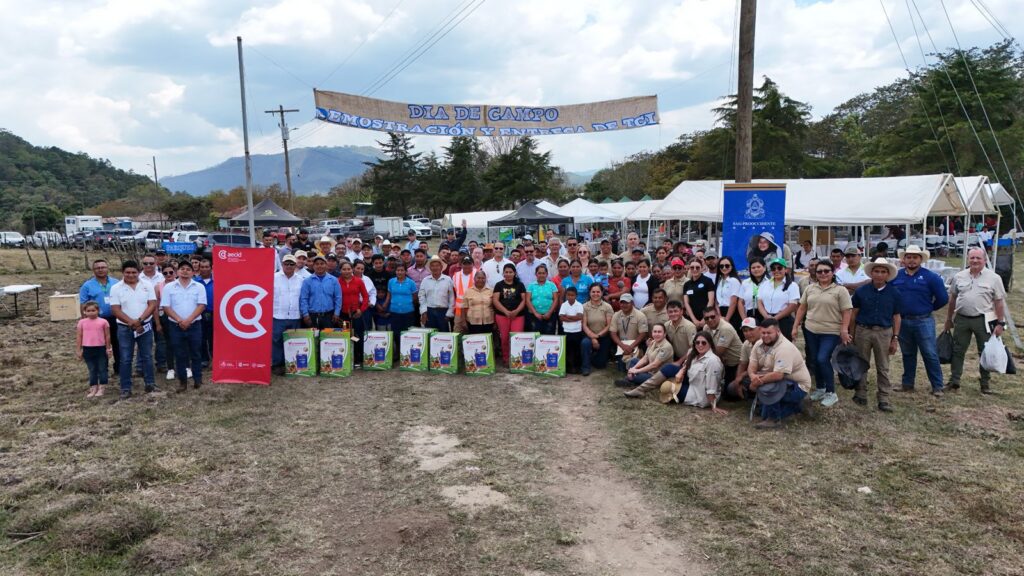
This May, the community of El Pelón, in La Esperanza, Intibucá, served as the setting for a field day demonstrating how investment in climate-smart technologies, combined with technical support provided directly in the field, is transforming agricultural and livestock production in western Honduras.
El Pelón productive group, comprised of 32 indigenous Lenca families, showcased firsthand the progress they achieved through community organization, efficient water use, comprehensive technical support, and the adoption of climate-smart technologies adapted to local conditions. These factors now enable them to improve yields, diversify their production, and strengthen food security within their households. The group received support from the Integrated Rural Development and Productivity Project (SAG-ProOccidente), which is implemented by ACDI/VOCA and led by Honduras’s Secretariat of Agriculture and Livestock (SAG).
High-Level Visits Highlight Progress on the Ground
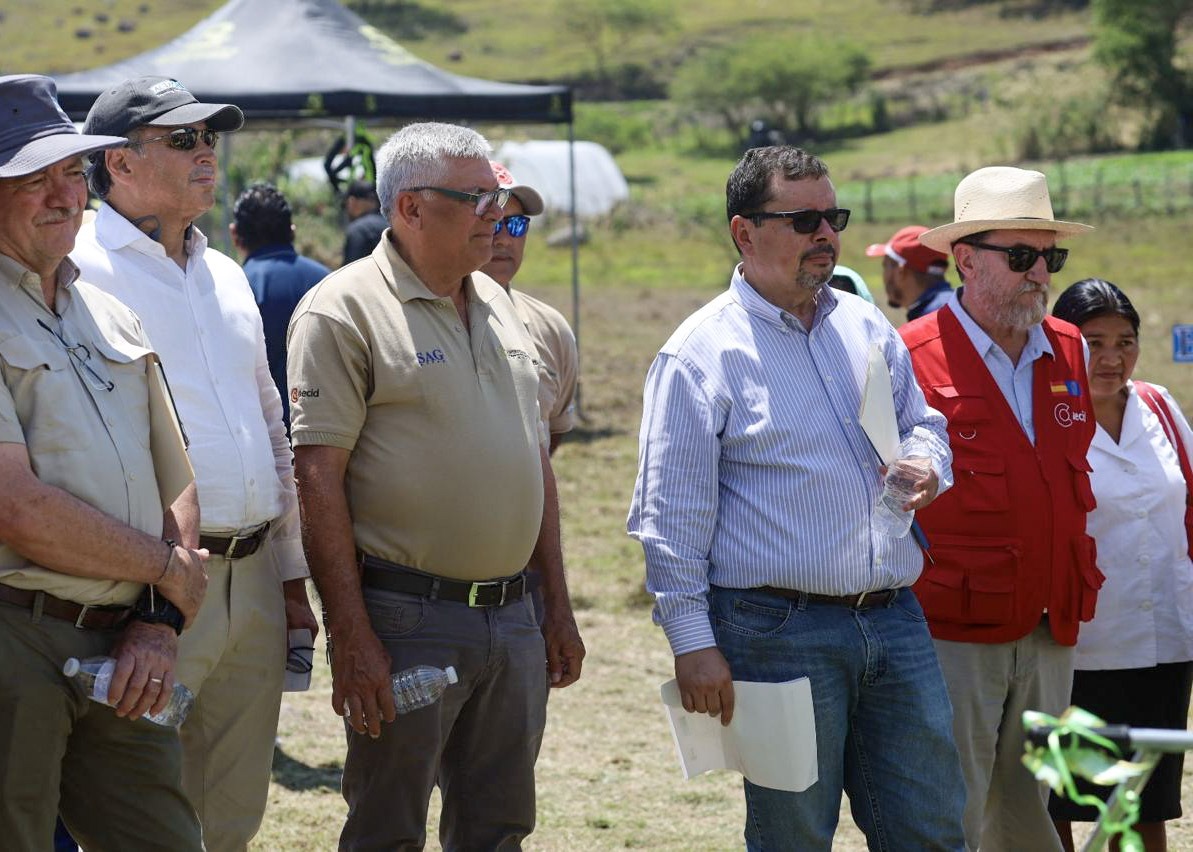
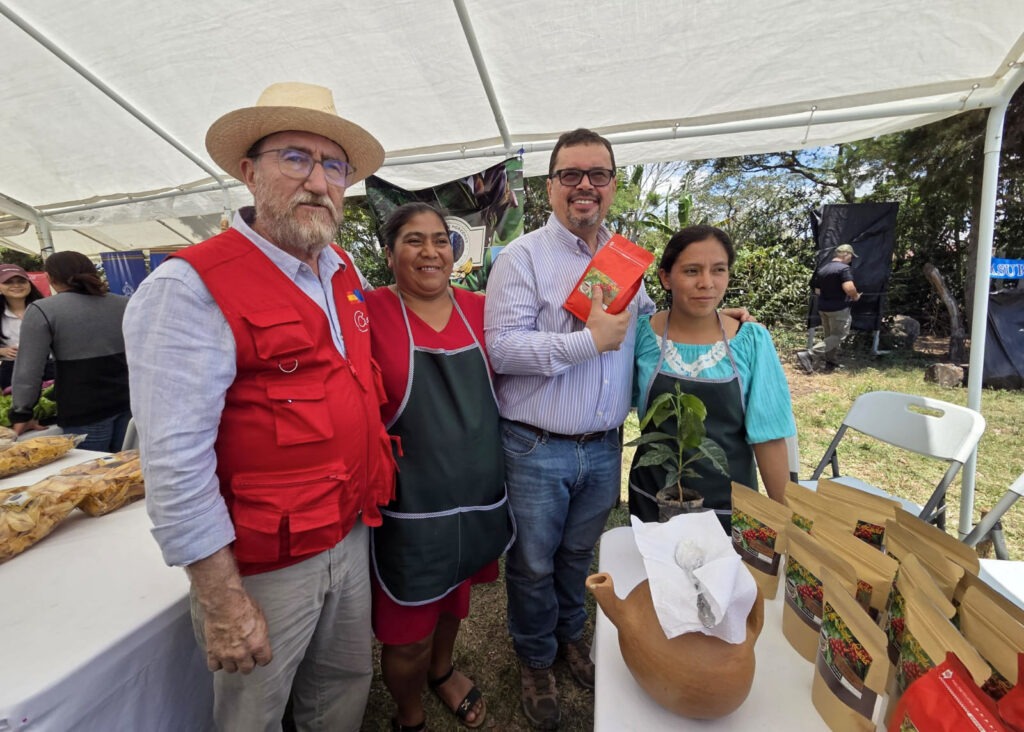
The event was attended by the Minister of SAG, national authorities, international cooperation partners, representatives from allied institutions, and technical staff. Together, they toured demonstration plots and workstations, where the direct impact of the continuous field support provided by SAG-ProOccidente was evident.
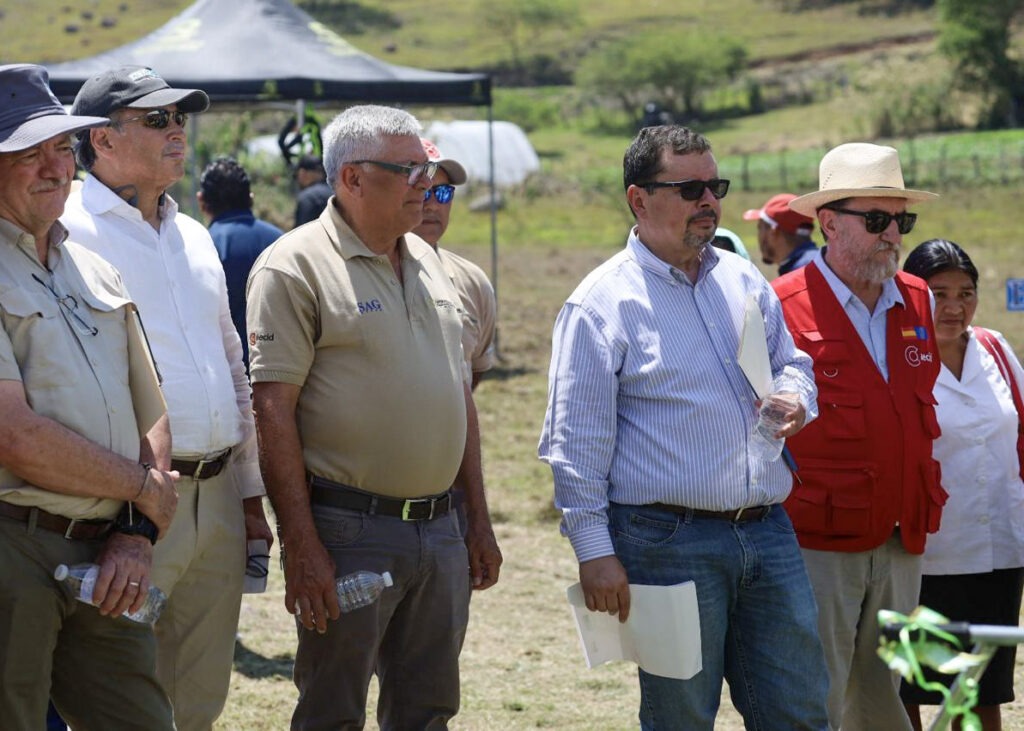
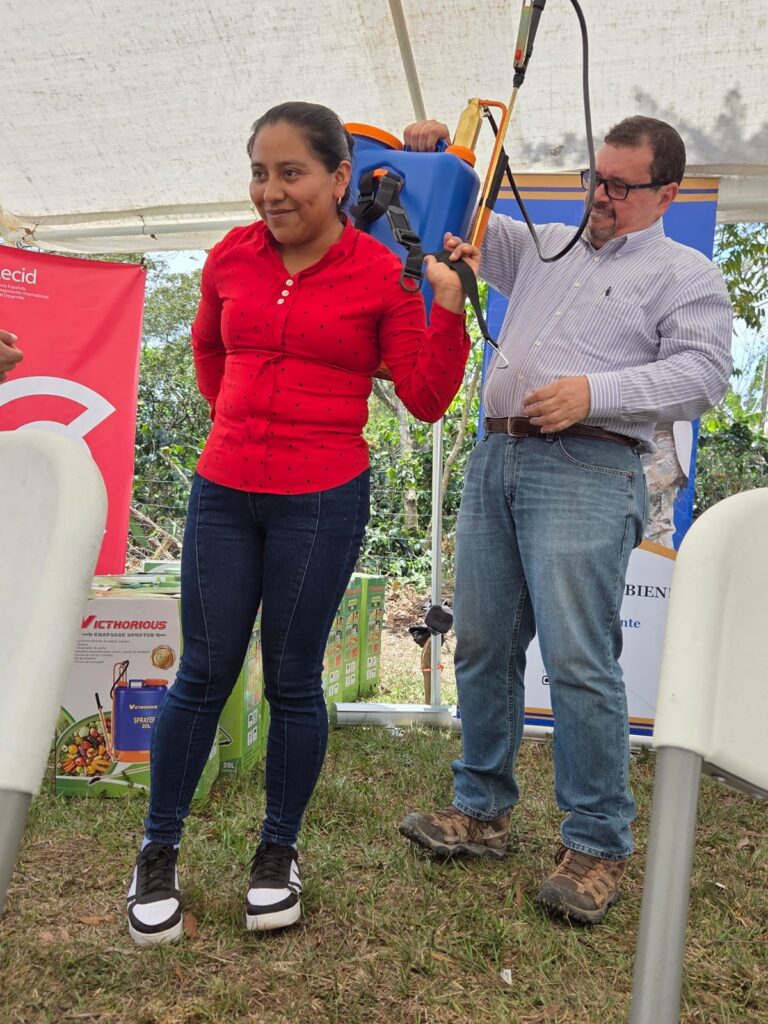
During the event, the Minister of SAG, Moises Molina, expressed his satisfaction at witnessing the project’s tangible results.
“Seeing families apply their knowledge, improve their production systems, and look toward the markets with greater confidence is a clear sign that the work being done on the ground is bearing fruit.”
— Moises Molina, Minister of SAG
Both the Minister and all the attendees shared a sense of enthusiasm and joy at witnessing the positive changes achieved directly within these rural communities.
The Field Day also featured the participation of Ricardo Domínguez Llosá, Project Manager at the Spanish Agency for International Development Cooperation (AECID), who acknowledged the value of the comprehensive approach and the commitment of the farming families, underscoring the importance of continuing to strengthen local capacities and collaborative efforts to ensure the sustainability of the results.
Scaling Impact Across Western Honduras
The impact observed in El Pelón is part of a broader effort that is already yielding tangible results throughout the region. So far, in 2026, more than 20 million lempiras have been invested, benefiting 5,400 producers who are now advancing toward more resilient production systems, with stronger market linkages and improved economic opportunities.
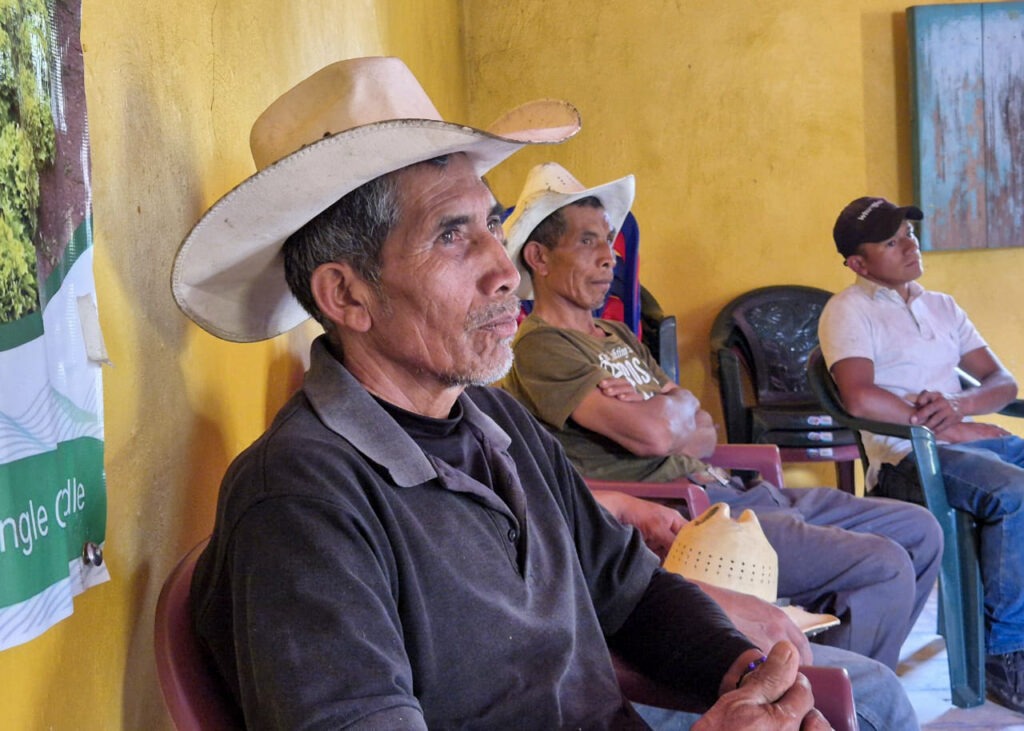
A key element of these achievements has been the field based technical assistance provided by ACDI/VOCA, enabling producers to adapt climate-smart technologies to the specific realities of their communities. This support has strengthened producer families’ decision-making regarding production, the sustainable management of resources, and vision of themselves as the protagonists of their own development.
The event concluded in an atmosphere of optimism and shared commitment, reaffirming that when organized communities, state institutions, and international cooperation agencies work in a coordinated manner, it is possible to generate real and lasting change in the Honduran countryside.
ABOUT SAG-PROOCCIDENTE
SAG-ProOccidente is a five-year project implemented by ACDI/VOCA and led by Honduras’s Secretariat of Agriculture and Livestock (SAG). SAG-ProOccidente works with multiple partners, including local producers, the private sector, indigenous organizations, and small and medium enterprises, to build sustainable economic and climate resilience and reduce migration out of the country, promoting self-reliance through local ownership.
SAG-ProOccidente is providing technical assistance and training to more than 10,000 agriculture and livestock producers across six departments and 88 municipalities by helping them adopt new climate-smart technologies and practices and improving their access to finance.
Activities take place in the western departments of Santa Bárbara, Copán, Ocotepeque, Intibucá, Lempira, and La Paz, focusing on horticulture, fruit, coffee, cacao, dairy cattle, and those related to cultural products of ethnic origin.
The project is funded by the Inter-American Development Bank (IDB) and the Spanish Agency for International Development Cooperation (AECID) through the Spanish Fund for Sustainable Development (FEDES).
Learn more about SAG-ProOccidente.
Learn more about our work in Honduras.