
At ACDI/VOCA, we believe that lasting change comes from building strong, sustainable systems. That’s why we focus on market-based solutions that work with the private sector to create long-term impact, especially for smallholder farmers in remote areas who often struggle to access the right farming inputs at the right time.
Here’s how we’ve tackled this challenge in Ghana, Tanzania, and Zambia through innovative, locally adapted models.
Ghana: Outgrower Business Model
In Ghana, from 2009 to 2014, our Feed the Future Agricultural Development and Value Chain Enhancement (ADVANCE I) program introduced the outgrower business (OB) model, which helped smallholder farmers access high-quality seeds, fertilizers, and services often on credit. Farmers repaid these loans with part of their harvest and were free to sell the rest to the highest bidder.
OBs—typically commercial farmers or aggregators—provided inputs, land preparation, and post-harvest services. They also bought produce from farmers and sold it to larger buyers. This model created a win-win; farmers got what they needed to grow more, and OBs built stronger businesses. The ADVANCE II program continued these efforts from 2014 to 2021.
The impact:
- 144,323 farmers reached (48% women, 23% youth) with inputs and services
- Yields increased by 290% (maize), 134% (soybean), and 113% (rice)
- Gross profits rose by 181% (maize), 84% (soybean), and 254% (rice)
- $146.9 million in incremental sales
- $8.1 million invested by buyers into OBs and farmers
Tanzania: Village-Based Agricultural Agents Model
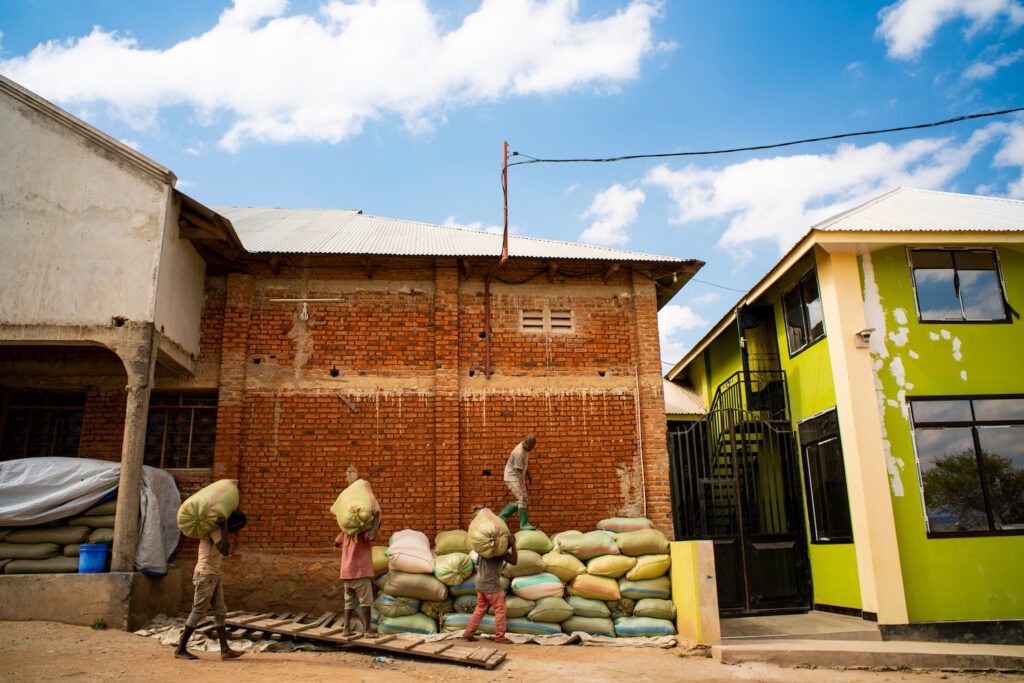
In Tanzania, from 2016 to 2021, the Feed the Future Tanzania Nafaka II Activity worked with village-based agricultural agents (VBAAs), or local entrepreneurs who helped farmers access improved seeds, fertilizers, and pesticides. These agents partnered with agro-dealers and manufacturers to bring inputs directly to remote villages.
We also used mini-packs and demo plots to build trust and stimulate demand for new technologies.
The impact:
- 305,403 farmers reached with inputs and services
- 1,156 MT of seeds and over 6,000 MT of fertilizer distributed to smallholder farmers
- $4.7 million in input sales by VBAAs
- 95% of VBAAs still in business as of 2021
- Maize productivity increased by 477%, rice by 170% (2011–2019)
Zambia: Community Agro-Dealers Model
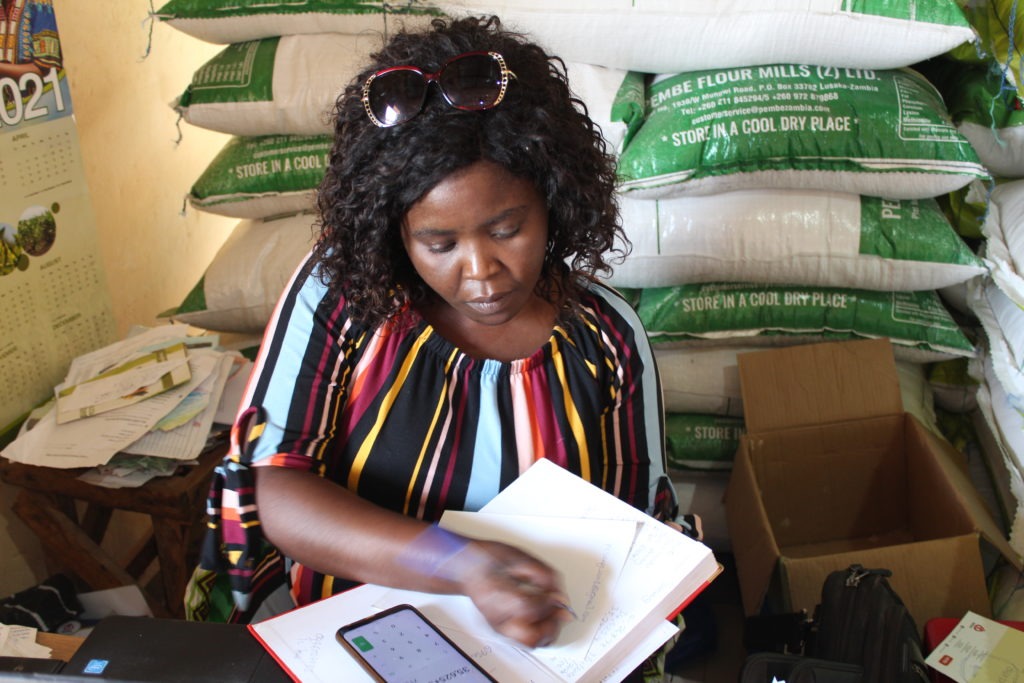
In Zambia, from 2012 to 2017, the USAID-funded Production, Finance, and Improved Technology Plus (PROFIT+) project introduced the community agro-dealer model, which brought inputs and services closer to farmers in rural and peri-urban areas. They acted as local hubs for input distribution and helped farmers access credit through savings groups.
We supported community agro-dealers with business training and mentorship, helping them become fully registered enterprises.
The impact:
- 207,749 farmers reached with inputs and services
- Productivity and incomes increased by 30%
- $142 million in incremental sales (167% increase)
- $48 million in private sector investment
Why It Matters
These models show that when we build systems that work for smallholder farmers, especially in hard-to-reach areas, we unlock real, measurable impact. By partnering with the private sector and empowering local entrepreneurs, we’re helping farmers grow more, earn more, and build more resilient communities.
Comments