
Our Work

Printer Friendly  |  Send this Page  |  Sitemap

Global – Cooperative Development Program II (CDP II)

Increasing Farmer Linkages to LOCAL, REGIONAL, GLOBAL Markets


ACDI/VOCA’s cooperative roots reach back to 1963 when U.S. farmer co-ops founded the organization to help develop and assist cooperatives in developing countries. Today, a cooperative approach to economic development, as manifested in USAID’s Cooperative Development Program (CDP), is as valid as ever.


The U.S. Agency for International Development (USAID), which awarded ACDI/VOCA $4.6 million for the 2004-2010 CDP, renewed the program in September 2010 and awarded funding for five more years. For information on ACDI/VOCA’s past CDP (2004-2010).


The renewed program (2010–2015) focuses on Paraguay and East Africa and continues to support ACDI/VOCA’s cooperative development website.


Food Security and Economic Growth

Consistent with today’s most pressing development challenges, CDP priorities are to boost food security and economic growth. Its approach focuses on the institutional strengthening and capacity building of cooperatives to increase member income, expand trade and investment opportunities and improve the associated legal and regulatory environment. CDP also places a strong emphasis on promoting women’s participation in cooperatives, particularly in leadership roles.


Over the life of the project, ACDI/VOCA anticipates a 25 percent growth in membership of its cooperative partners, for a total of 25,000 direct beneficiaries in five years, of whom one in five will be women. The program also anticipates a 45 percent increase in member income.


CDP Paraguay

ACDI/VOCA´s CDP targets Paraguay in a four-year program (October 2010 to October 2014).


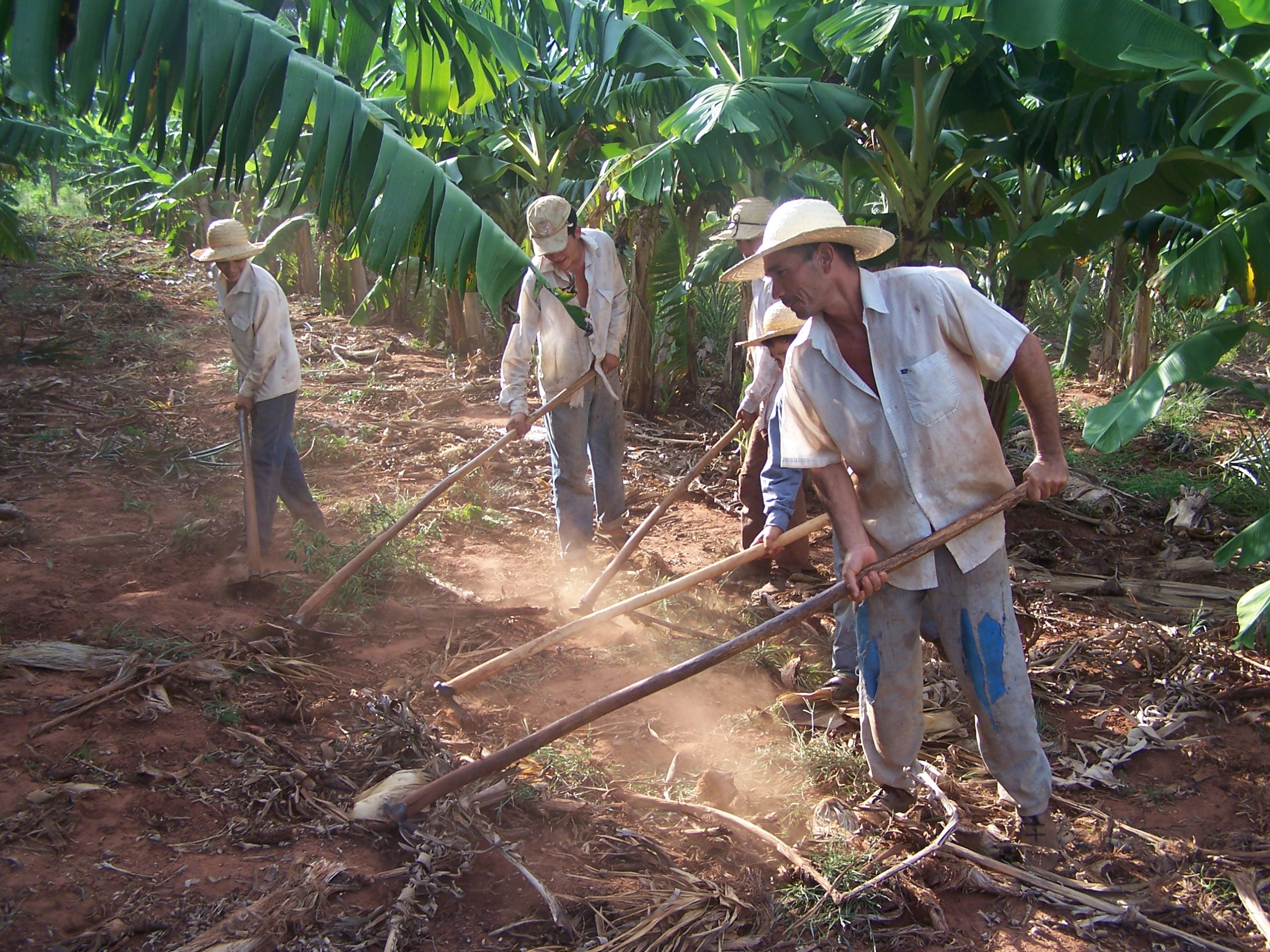
The Paraguay program seeks to increase farmer income through technical assistance and training that fosters sustainable market-based relationships. Concentrated in the eastern and southern portions of the country, CDP Paraguay targets the fresh fruits and vegetables, artisinal crafts, dairy and organic sugar value chains.


Specifically, CDP Paraguay has been working to:

  • improve smallholder implementation of Good Agricultural Practices—a formal system that codifies improved farm-level agricultural practices for a range of commodities
  • strengthen cooperative participation and governance
  • increase gender sensitivity among cooperative leaders and membership
  • provide cooperatives with technical assistance to improve planning, finance and information systems

CDP Paraguay builds on a 2002 USAID-funded cooperative program in the country. For more information, click here.


East Africa CDP

The East Africa component targets value chains that affect food security and household income: cereals, pulses and oil seeds, livestock and dairy (including feed), fruits and vegetables, and specialty coffee. In Ethiopia and Kenya, agricultural value chains are largely informal with large numbers of small-scale transactions required to get final products to end markets. Compounding this inefficiency are the large distances to regional and national markets and poor infrastructure—both resulting in significant post-harvest losses. These constraints lead farmers to rely on local markets and preclude them from developing knowledge of more demanding—and more lucrative—regional or national market requirements. Under the prevailing system, most smallholder farmers reap limited profits from their labors. . East Africa CDP is working to address this situation by building good governance and leadership capacity for cooperatives and by helping the groups improve revenue through training in production and marketing. In Kenya, CDP is working with five cooperatives/pre-cooperatives and plans to expand program activities with five more groups; in Ethiopia, CDP is targeting five unions and 15 primary cooperatives.


With the assistance of a legal consultant and in conjunction with Land O’Lakes, the East Africa CDP is undertaking a groundbreaking assessment in Tanzania under the Cooperative Law and Regulation Initiative (CLARITY), which was developed by the U.S. Overseas Cooperative Development Council. Based on this robust assessment protocol, the project will initiate a dialogue with policymakers to create an environment that enables cooperatives to flourish and realize their potential as competitive businesses.


Cooperative Development Website

ACDI/VOCA developed the Resources for Cooperative and Association Excellence in International Development website (www.acdivocacoopex.org), with funding from USAID’s CDP, to highlight cooperative development achievements and demonstrate how cooperative development is integral to international economic, democratic and social development. As a repository of international cooperative development materials, the website is the first of its kind for ACDI/VOCA. It facilitates the sharing of best practices and lessons learned in cooperative development around the globe. Through its resource library, case studies and videos, the website provides information ranging from basic definitions of “cooperatives” and “producer associations” to more involved commentaries on cooperatives’ role in meeting today’s development challenges. For more information click here.


PDF version of profile (138 KB)


Media Coverage

December 23, 2009

VOA: Special Report on Food Security: Lessons Learned from Ethiopian Famine

December 11, 2009

baristaMagazine: Give a Green Gift to Kenyan Farmers